Our son Miller wasn’t acting his usual cheeky self but with the excitement of Christmas we couldn’t pin down what exactly was wrong. We just thought he had picked up a bug as kids do and I made sure he had plenty of fluids. Looking back, I can see that we were maybe blind to something being horribly wrong. Family and friends visited over the Christmas period and kept mentioning that he didn’t look well and had lost lots of weight. After the 2nd person had mentioned it, I got worried. We made him a GP appointment for the first day after the new year. The GP sent him for a blood test as a precaution and I will always be forever grateful that he did. It was a day I’ll never forget…
The phone call that followed less than an hour after his blood test was horrifying – The GP called and said he needed to be rushed to hospital ASAP.
“He has Type 1 diabetes and needs immediate medical treatment”
What??? Have I done something wrong? Have I fed him the wrong foods? What can I do to fix it?
If only it were that simple. From that single moment our whole lives changed in the blink of an eye.
Type 1 Diabetes – not to be confused with Type 2 as they are completely different – is an autoimmune condition. The immune system – which is meant to protect you from viruses and bacteria – attacks and destroys the insulin-producing cells in your pancreas, called beta cells. Insulin is crucial to life. When you eat, insulin moves the energy from your food, called glucose, from your blood into the cells of your body. When the beta cells in your pancreas fail to produce insulin, glucose levels in your blood start to rise and your body can’t function properly. This high level of glucose in the blood can damage nerves and blood vessels and the organs they supply.
After arriving at the hospital they set him up on an insulin drip and took more blood. They took blood every hour all through the night checking that his bloods and ketones were going down. He became the human version of a pin cushion. We were told that his blood sugars and ketone readings were so high that they usually only see it with very poorly children, and not to let the fact he was still conscious and speaking fool us, as it was masking the underlying condition.
The first injection was literally the worst thing I have ever had to witness. I literally had to hold onto Miller around the chest, holding his arms away from the needle and pinned to his sides on the bed whilst his Dad held his legs down whilst he was screaming his head off. The nurse injected his tummy with his first dose of insulin via pen injector. Once it was over the tears were flowing from both him and myself.
‘So you have to inject him now every time he eats and once again before bedtime with his long acting insulin”
Those words literally made my skin crawl, the idea of going through that again every meal time and bedtime soon made me realise that this shit was horrifically real, that it wasn’t a nightmare we were going to wake up from.
The questions, the guilt, the blame, the feelings of sadness and mourning the life you had before. I was told these were all the normal feelings you go through and I felt them through a sea of numbing disbelief. Even though it was definitely happening, I remember questioning it over the next couple of days and weeks. Only a couple of seconds here and there, like my brain did not want to believe it, that it was all a big mistake. I had to talk myself back into the truth.
“You know he has T1 diabetes Sarah – the bloods don’t lie! – All those Doctors can’t be wrong”
I just wanted to take it away from him and make it better. But it never goes away and is there every second of every day. The first couple of days are an emotional whirlwind of numbers, highs, lows, checking, re-checking, carbing, weighing and organising food, scanning, treating, injecting and doing all this on very little sleep because you are up throughout the night checking and treating – it’s emotional torture.
After about a week Miller asked me:
“When can this stop? I’ve had enough of this now! Do you think they will find a cure before I turn 8?
These questions broke me. I will never forget how hard it was to even form words, let alone look him in the eye and answer these questions. I told him that I hoped for a cure every minute of every day and that even though it is really, really hard now, every time he injects it will get easier until he won’t notice it anymore and that he may have to do it for the rest of his life, but so do lots of other people and I gave him famous examples like Theresa May and Nick Jonas – I don’t think he actually knew who they were. That’s when he asked me.
“But why did this happen to me?”
We are not a religious family per se, the kids believe in Heaven and Hell but not necessarily a God. I struggled to answer this, which might explain why he’ll still occasionally ask me this same question.
The paediatric diabetes team at Kettering General Hospital are fantastic and from the first moment made us feel like could rely on them 24/7. They gave Miller a special pack donated to all Type 1 children through the charity ‘The Juvenile Diabetes Research Foundation’, lovingly known as the JDRF. This pack includes lots of literature in a folder, and a child friendly story all wrapped up in a blue string bag, it also includes the infamous bear with the coloured patches, which show where on the body insulin can be injected. This is to help children start to inject themselves. It was the third day that Miller took control of his own injecting, I think this was because he could see that it was upsetting me when we had to hold him down to do this. Once he started injecting his own insulin, he never looked back and we didn’t have to do it again unless he was asleep and it was the middle of the night. I will always be so proud that at 7 years old he took his condition in hand and wanted the independence of administering his own medication, but with it I think he had to grow up fast and lost some of the childlike innocence he had before.
Since diagnosis it has been a rollercoaster of emotions as well as numerous hospital appointments and continual checks and balances. This has become so much easier with the intervention of technology. Miller now has a glucose sensor and an insulin pump. He decided on an omnipod pump because there were no wires from the cannula. It also makes him officially a Podder – which was cool. Life got a lot brighter when these little machines came into our lives.
The pod is filled with insulin and stuck to his body, the cannula goes in and it pumps the insulin into him continually. We change this approx every 3 days. So he has gone from an injection 4 or more times a day to once every 3 days. We still have to make adjustments and carb for everything he eats, but the pain of injecting is so much less.
Understanding the numbers and the math behind the calculations, the routine that has now become a part of everyday life was a shock at first, but now it’s as natural as breathing – and this is true for so many T1 parents that I have spoken with.
Miller has certainly had his moments and I’m sure there will be many more bumps in the road to come but I’m still unbelievably proud of how he has coped with it all. When I look back on how much we have adapted and gone through on this T1 journey it makes me very aware of how our feelings have changed along the way too. It doesn’t ever go away but it gets easier as you begin to manage better and you worry less. Sleep also helps!!!
“Type 1 Diabetes is a completely manageable disease… but there are some days that are just rough” – Nick Jonas
The scared little 7 year old boy to this awesome 10 year old, slightly annoying and very cheeky young man – T1 hasn’t and won’t stop him. He wears his insulin pump with pride, he manages his own bloods 80% of the time, he is confident and I’m sure nothing will stop him. T1 can kiss his ass! His sister Ruby gets a mention too, she may profess not to like him – he’s an annoying younger brother after all – but his older sister cares, she pricked her finger with him when he first arrived home and knows what to do in an emergency – she even nags him to carb. I am just as equally proud of the way she has coped. Looking back at pictures before diagnosis I don’t know why we didn’t suspect something was wrong sooner, however it would not of made a difference to the outcome. I’m just so thankful it was caught in time and that we had so much support around us.
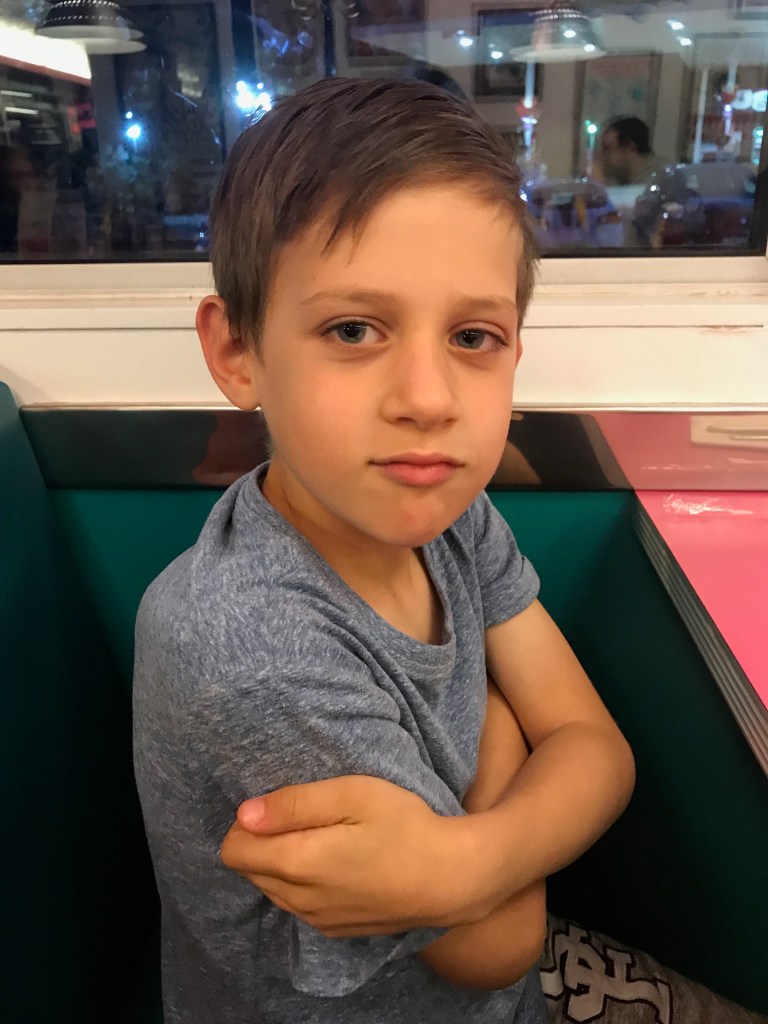
2 months pre-diagnosis 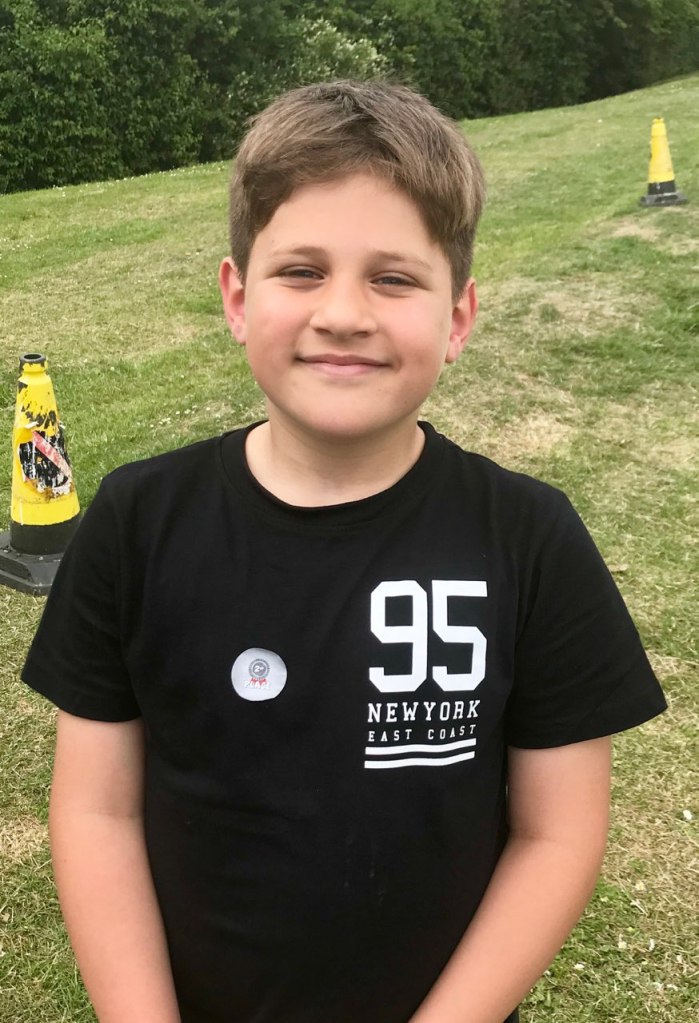
6 months post diagnosis 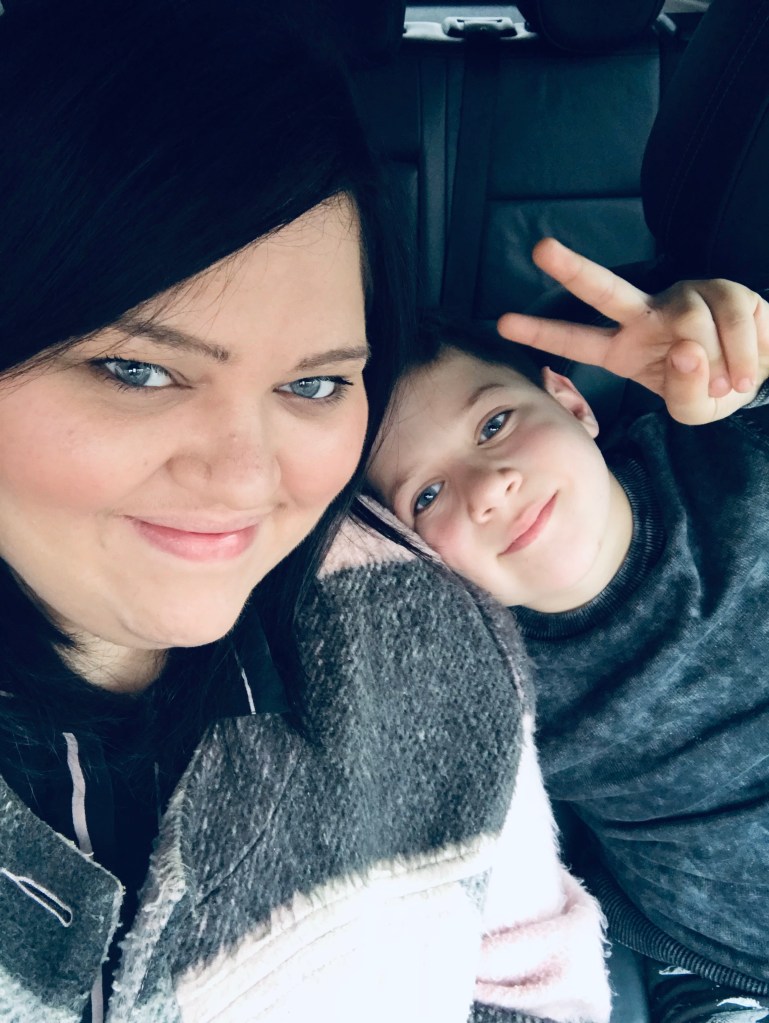
My DiaBadAss.

